 The Woman BossThe Woman Boss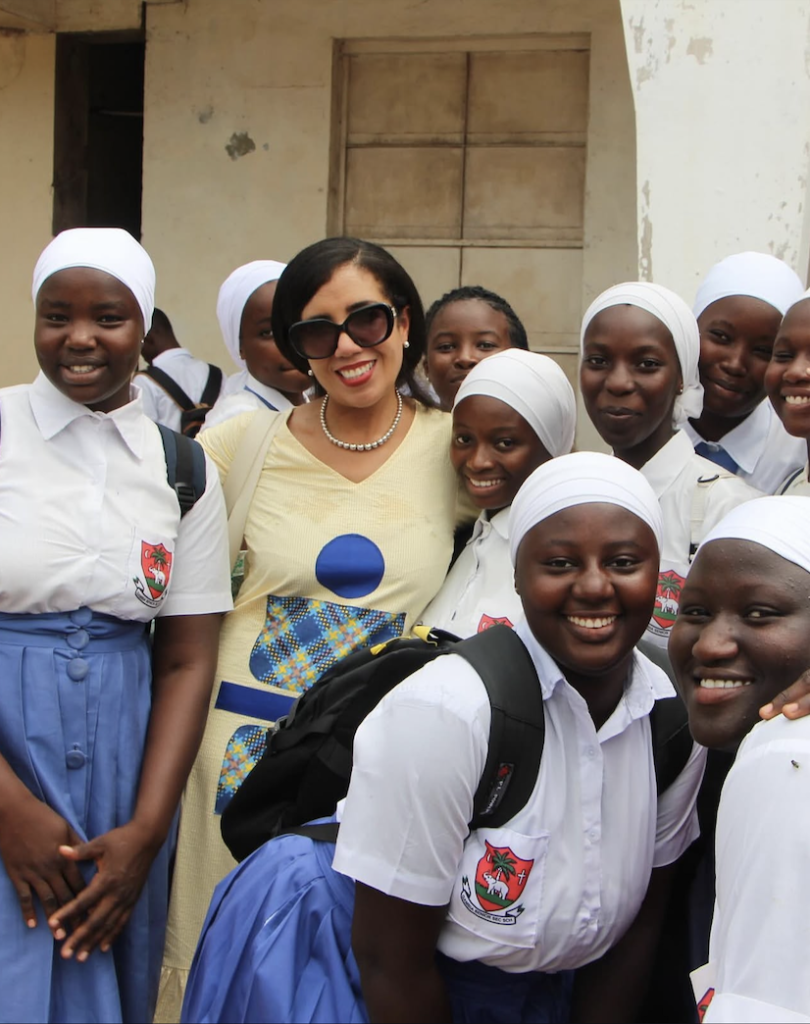
Can you share the story behind the founding of The Woman Boss and how the organization began?
The vision for The Woman Boss began in 2017 around my kitchen table, rooted in a deep desire to create opportunities for women, girls, and youth in The Gambia. Alongside the concepts of Innovate Gambia and the Disruptive Lab, the goal was always bigger than just programs; we wanted to build a movement and an ecosystem that would inspire generations, create jobs, foster innovation, and help address one of the country’s growing challenges: irregular migration and job creation. We believed that when young people, especially women and girls, are given access to opportunity, mentorship, skills, and hope, they are empowered to build futures within their own communities rather than feeling forced to leave them behind.
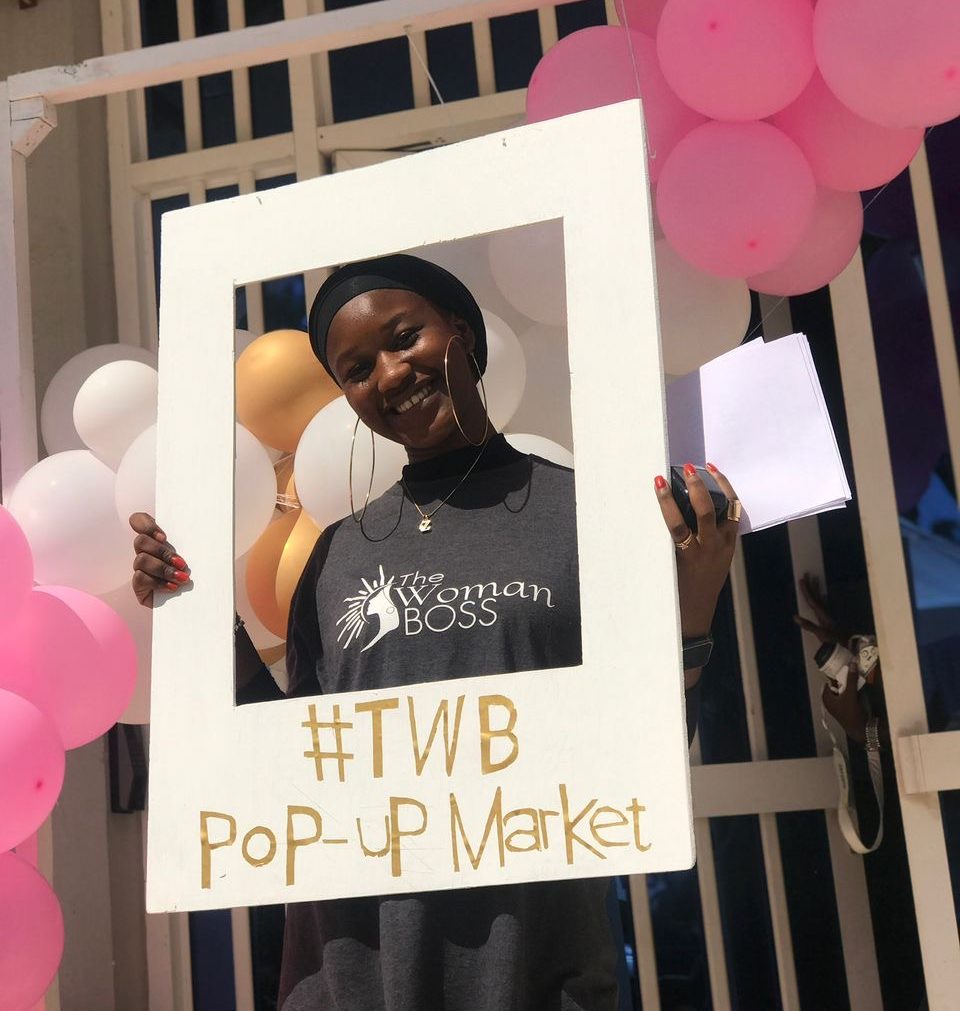
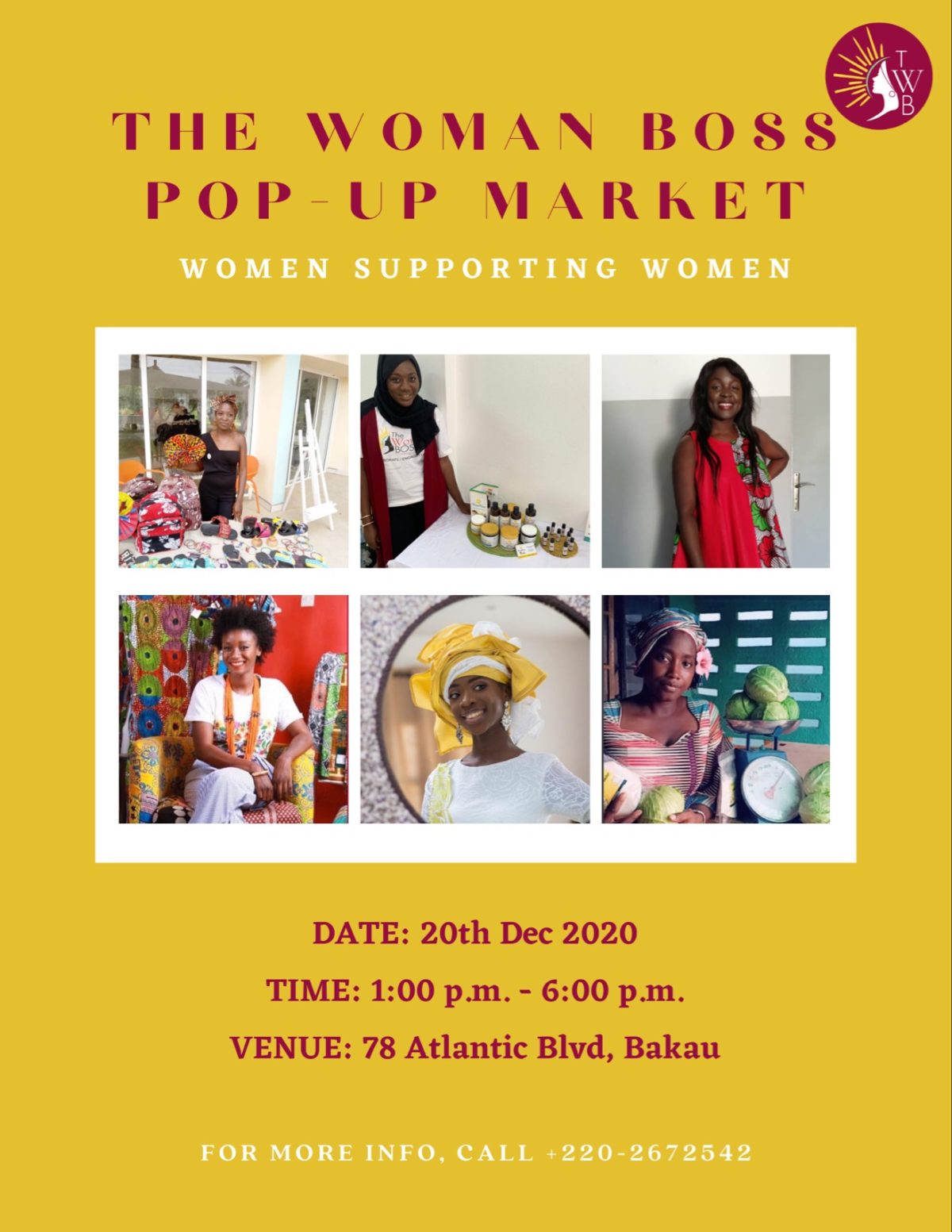
In 2018, that vision officially became The Woman Boss (TWB), founded in The Gambia as a platform where women and girls could access opportunities in entrepreneurship, leadership, technology, and innovation. What started as a grassroots initiative has since grown into a global movement, now registered as an international nonprofit in The Gambia and a 501(c)(3) organization in the United States.
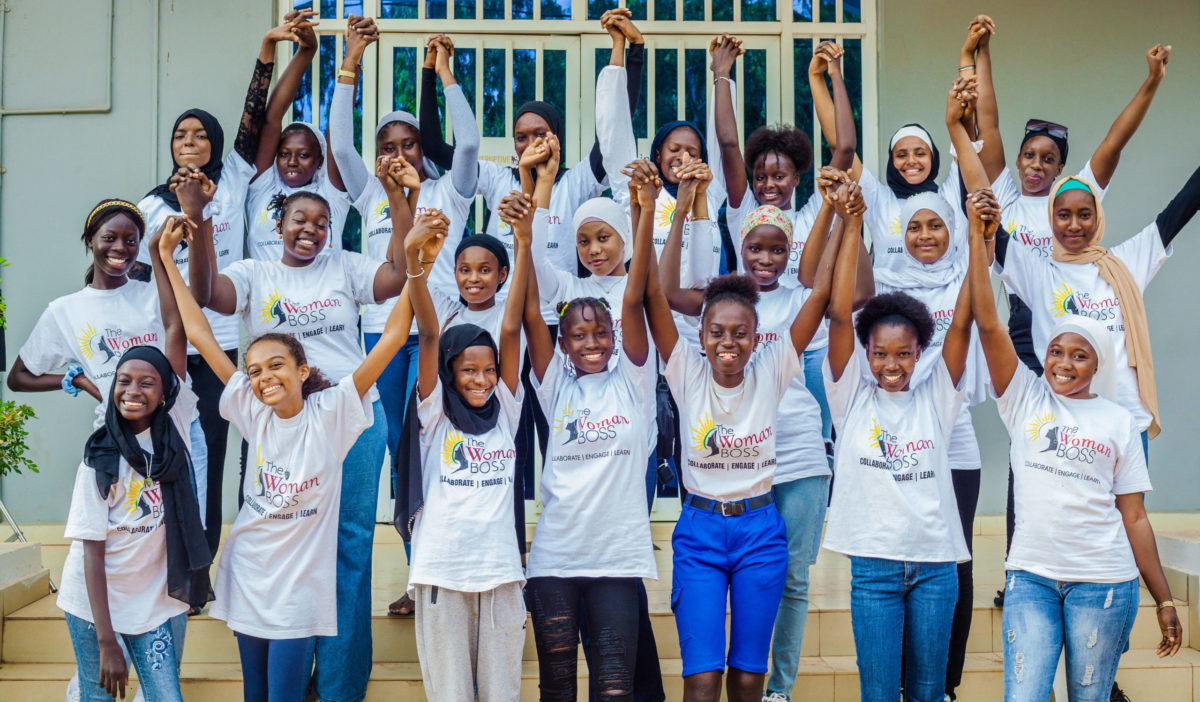
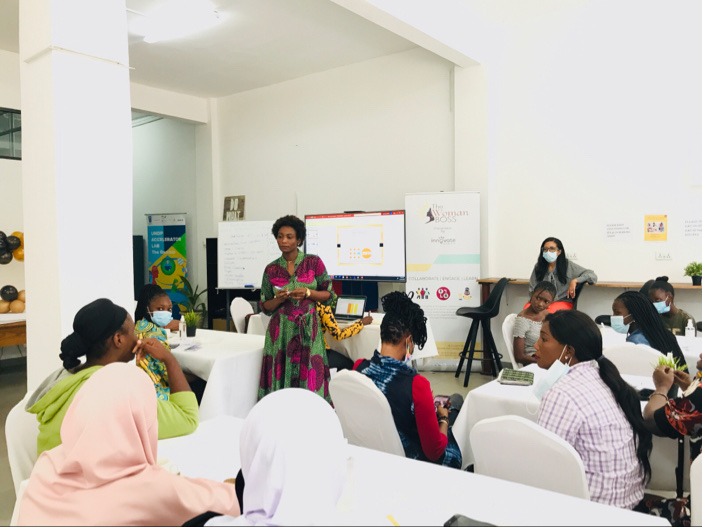
Over the years, TWB has expanded its reach the world, and across all seven regions of The Gambia and beyond, impacting over 13,000 women and girls through programs focused on business acceleration, leadership development, gender & advocacy, digital inclusion, and innovation. Through initiatives such as the DRILL Accelerator, Girls in Leadership, Women in Politics programming, climate and mental health initiatives, and emerging AI and technology programs, we have built an ecosystem that supports women not only to participate, but to lead, create, innovate, and influence the future of their communities and
economies.
What inspired you to create The Woman Boss, and what problem were you hoping to address?
TWB was inspired by both lived experience and a strong sense of responsibility. After spending more than 25 years working across finance, development, technology,
entrepreneurship, and leadership internationally, I consistently saw how talented women and young people were often limited by lack of access – access to opportunity, networks, mentorship, funding, and platforms to grow. When I spent more time in The Gambia, I saw enormous potential in our women and youth,
but also many barriers that prevented them from fully realizing that potential. I knew we needed spaces where people could dream bigger, innovate, and feel supported in turning ideas into reality. The vision behind TWB was to create space; to inspire generations of changemakers, equip them with practical skills, encourage innovation and entrepreneurship, and ultimately contribute to economic growth and job creation. We wanted to create hope and
opportunity so that women and girls would see a future for themselves.
Over the years, what have been some of the biggest challenges TWB has faced, and how have you navigated them?
Like many mission-driven organizations, one of the biggest challenges has been navigating the realities of funding, particularly the limitations of restricted funding. Many programs come with strict guidelines, leaving little room for operational flexibility or long-term sustainability. Another challenge has been building systems and infrastructure in environments where resources are limited. Scaling impact across regions while maintaining quality, consistency, and accountability requires intentional design and strong partnerships.
Additionally, shifting mindsets; around gender roles, leadership, and opportunity takes time. The work is not only programmatic; it is cultural. But these challenges have also strengthened our approach and reinforced the importance of resilience, adaptability, and strategic thinking.
Looking back to when TWB first launched, what achievements or milestones have exceeded your original expectations?
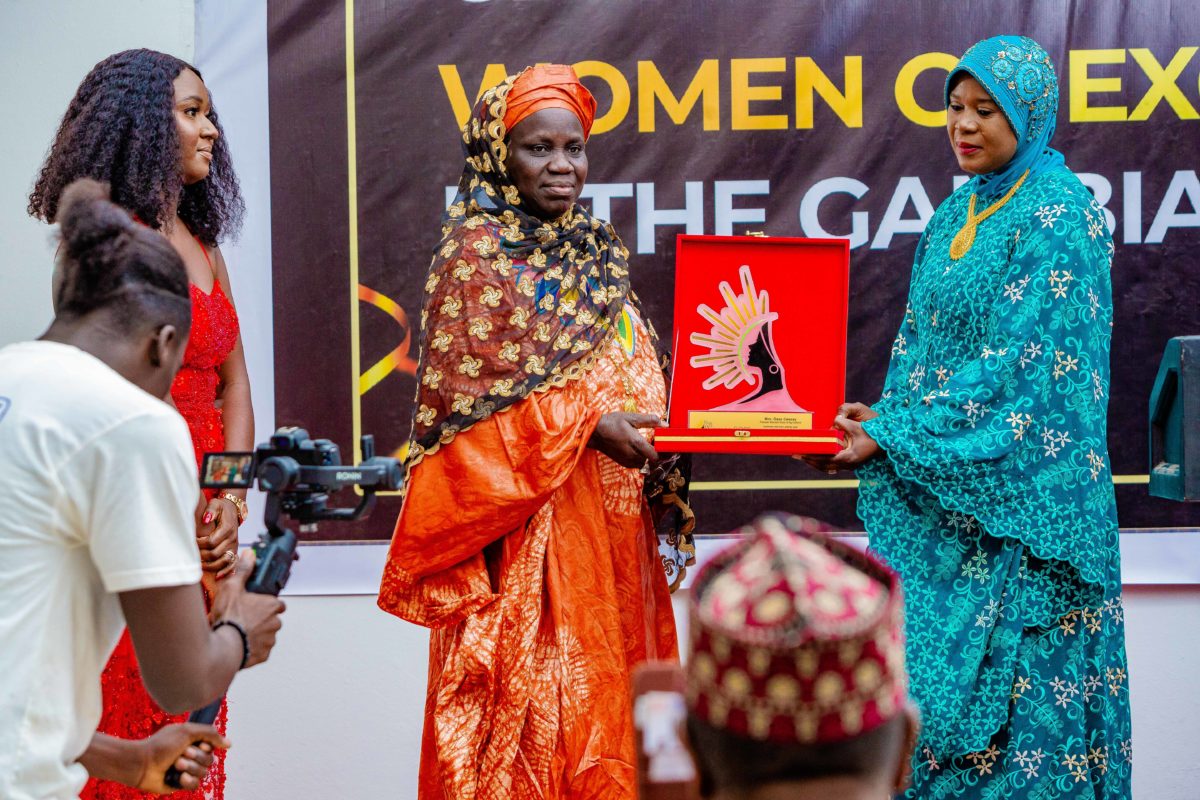
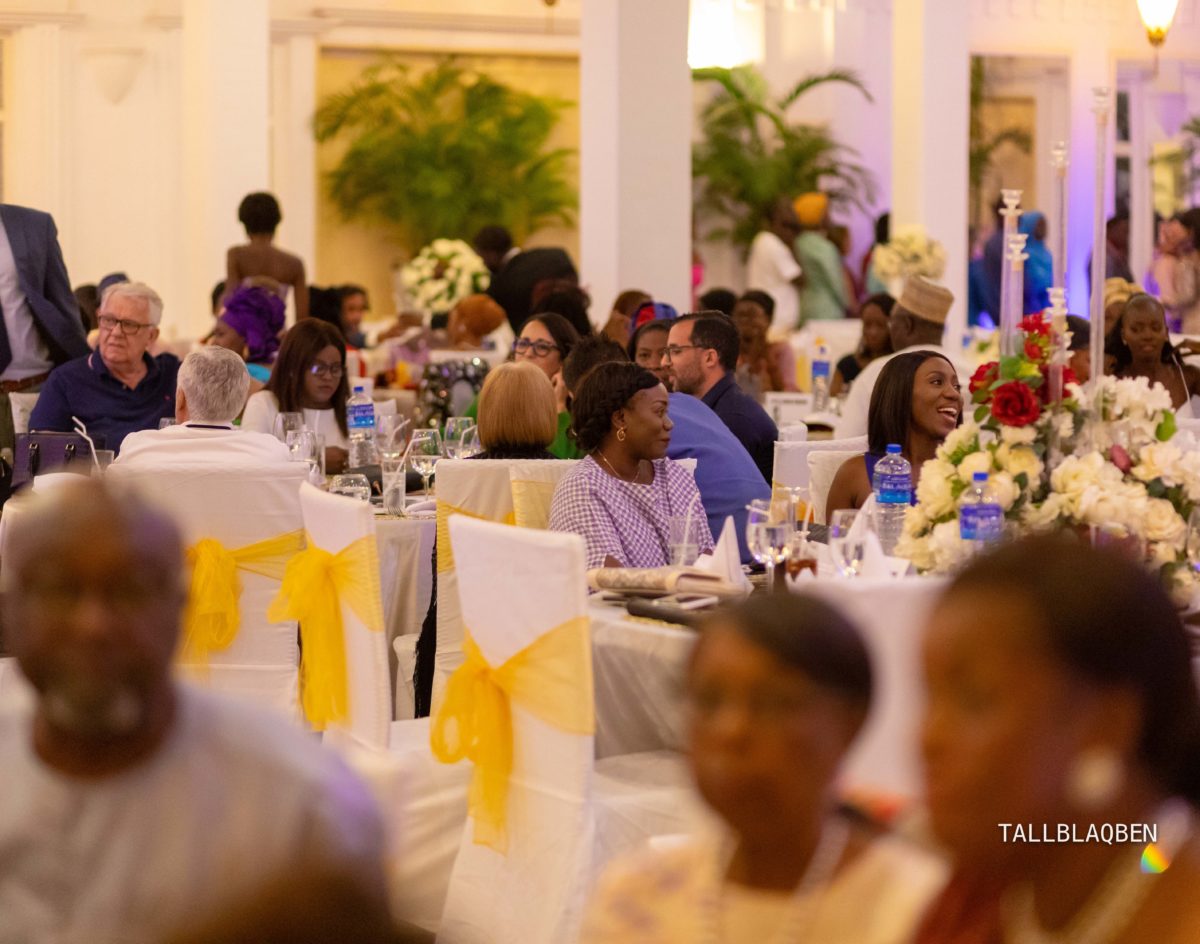
When TWB first started, the dream itself felt ambitious. I knew we could make an impact, but I could not have imagined the scale and depth of what would eventually happen. Today, TWB has impacted over 13,000 women and girls, built partnerships with global organizations and embassies, expanded programs globally, and created opportunities for women to launch businesses, lead initiatives, speak globally, sponsor girls’ higher education, and influence conversations around leadership, innovation, and gender equity.
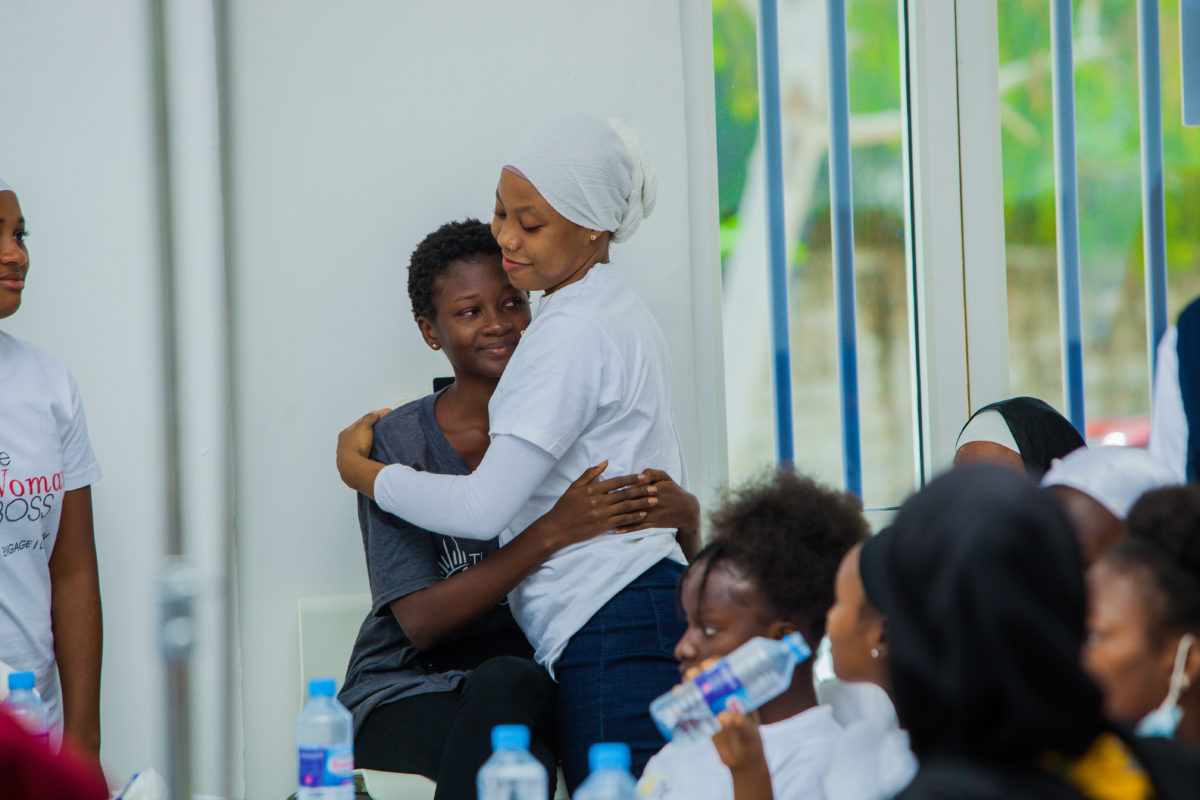
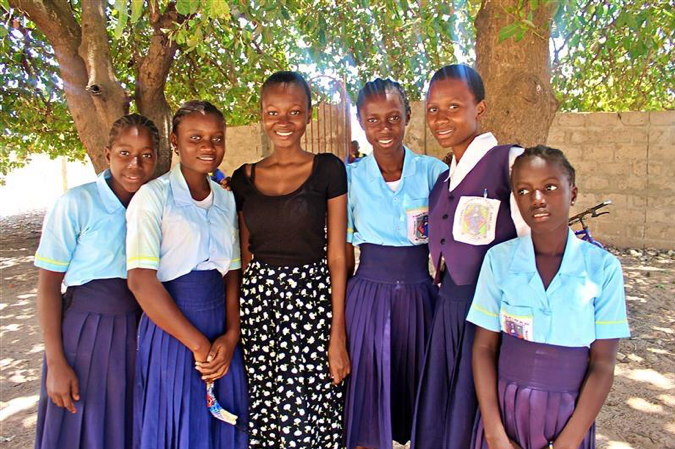
One of the most inspiring realities has been seeing young girls who once lacked confidence now step into leadership roles, technology spaces, entrepreneurship, graduate university, and advocacy work. Watching women build businesses, create income, mentor others, and become role models within their communities is incredibly powerful.
Where do you envision The Woman Boss in the next decade, and what are your long-term aspirations for the organization?
In the next 10 years, I see TWB becoming one of Africa’s leading institutions for women’s leadership, innovation, entrepreneurship, and gender equity. I see us building sustainable ecosystems that connect education, leadership, business development, AI, and economic empowerment. I vision TWB expanding globally while remaining deeply rooted in community impact. I would love to see innovation hubs, leadership institutes, accelerator programs, and AI learning centers that help prepare women and youth for the future economy. I also see TWB continuing to influence policy conversations around women’s economic inclusion, digital transformation, gender based-violence, education, and entrepreneurship.
More importantly, I see generations of women and girls who once participated in our programs becoming CEOs, policymakers, innovators, founders, and global leaders themselves. The long-term goal is not simply to run programs; it is to transform systems, create opportunities at scale, and build a legacy that continues long beyond us.
What lasting impact do you hope The Woman Boss will continue to have in The Gambia and beyond?
I believe TWB’s impact in The Gambia has already been transformational; economically, socially, and culturally, and will continue to be. Economically, we are contributing to entrepreneurship, job creation, innovation, and skills development by helping women and youth build businesses, access opportunities, and participate in emerging industries like technology and AI.
Socially, we are helping shift narratives around what women and girls can achieve. We are creating spaces where women are seen not only as participants, but as leaders, innovators, decision-makers, and changemakers. That kind of visibility changes communities and inspires future generations.
Culturally, I believe TWB will leave a legacy of empowerment, confidence, and possibility. We are planting seeds that will continue growing for decades, through the girls we mentor, the women-led businesses we support, the communities we impact, and the ecosystems we are helping build.
Ultimately, I hope TWB contributes to a future where women and youth in The Gambia are fully equipped to lead the country’s growth, innovation, and transformation on a global stage.
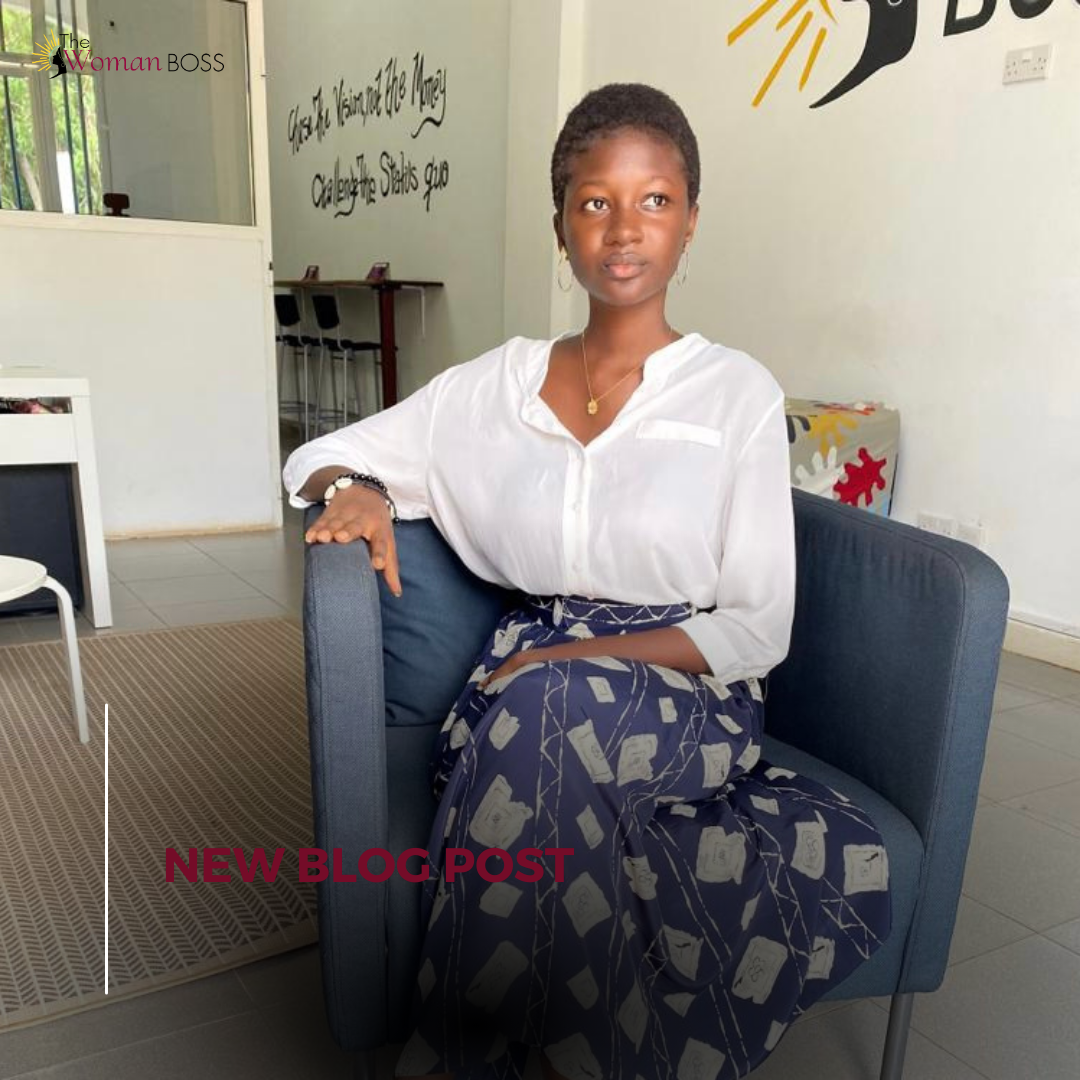
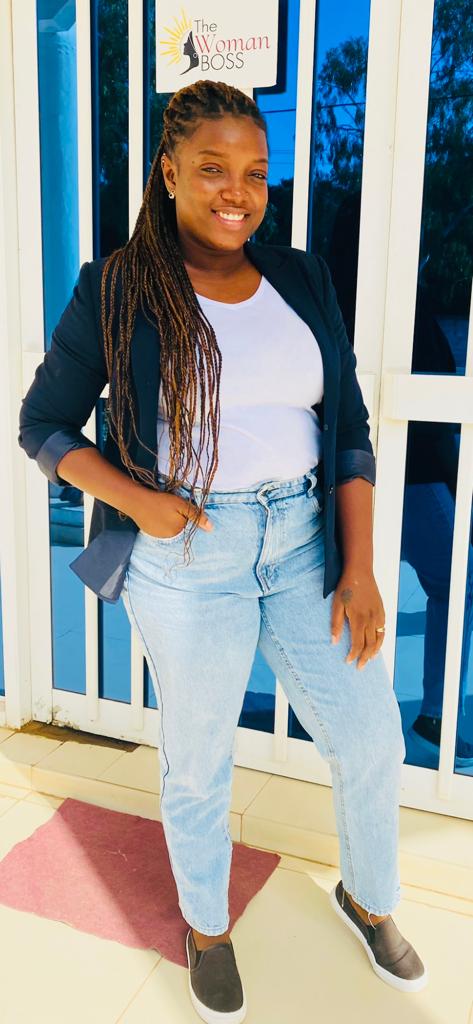
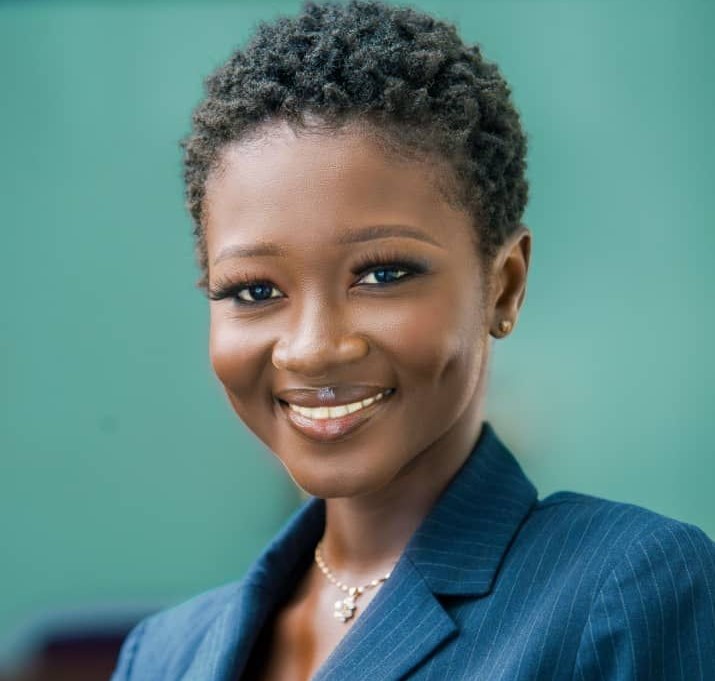
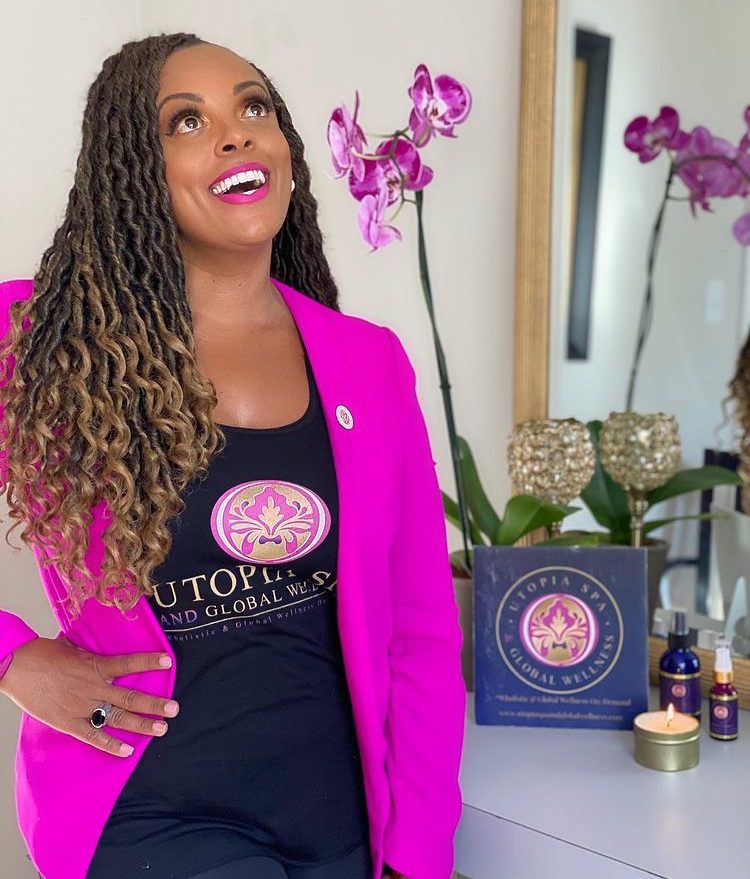
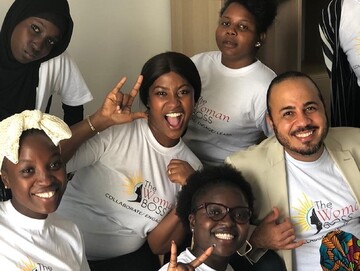
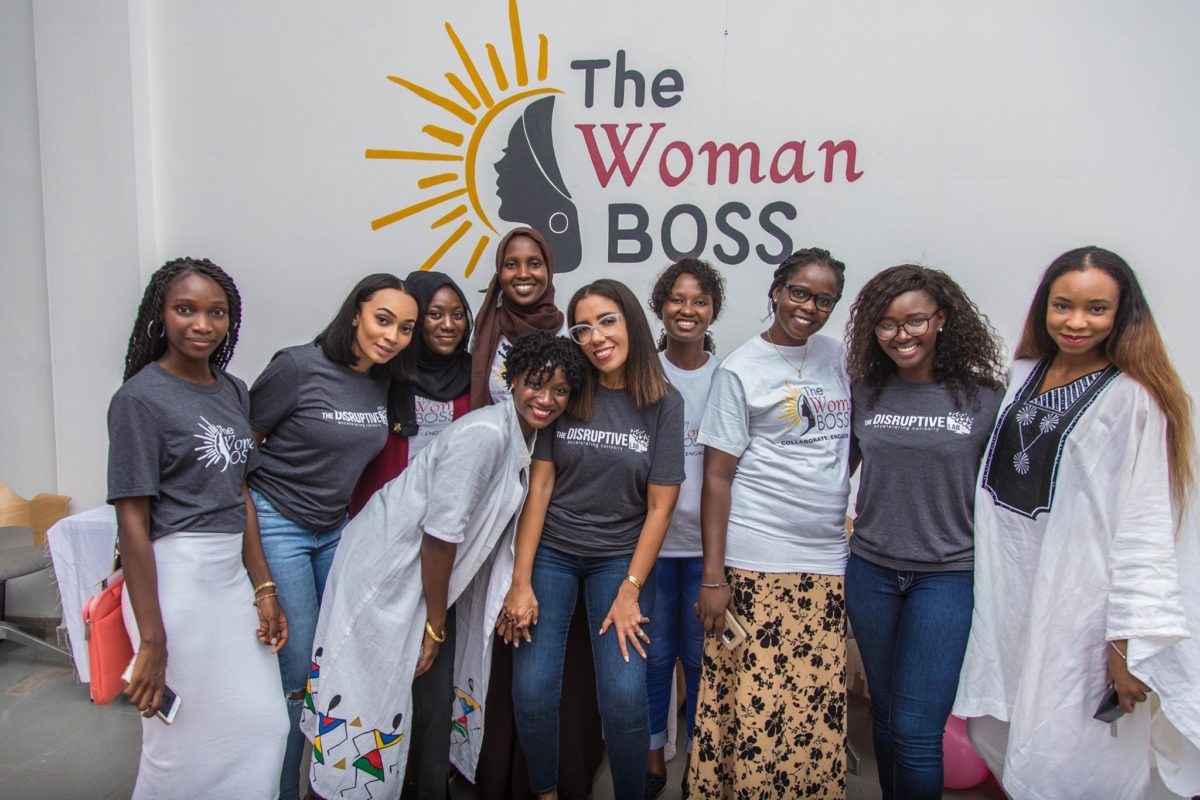
Awamary Lowe-Khan, Founder & CEO of The Woman BossToday, TWB has impacted over 13,000 women and girls, built partnerships with global organizations and embassies, expanded programs globally, and created opportunities for women to launch businesses, lead initiatives, speak globally, sponsor girls’ higher education, and influence conversations around leadership, innovation, and gender equity.