 The Woman BossThe Woman Boss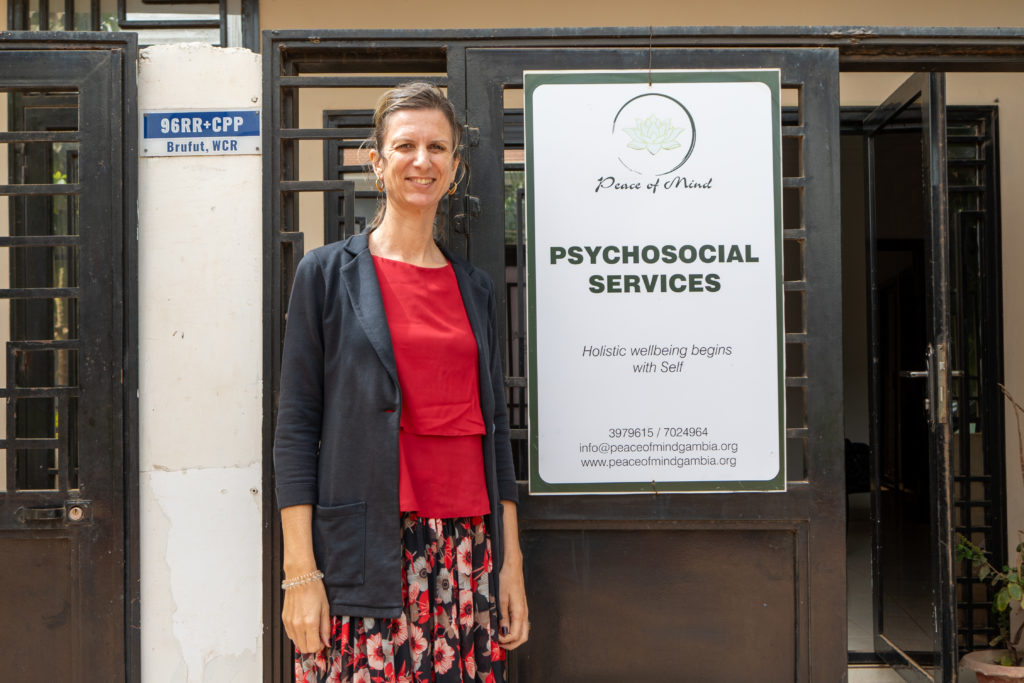
Dr. Silvia Lorenzi moved to The Gambia 11 years ago and has since worked closely with Gambian individuals, couples, and families. A clinical psychologist and therapist with a doctorate in psychology, she is the founder and director of Peace of Mind, a mental health organization dedicated to improving the well-being of Gambians through direct services and capacity-building programs.
In a country with limited access to mental health specialists, Peace of Mind focuses on expanding mental health awareness by equipping communities with the knowledge and skills needed to better understand and address mental well-being.
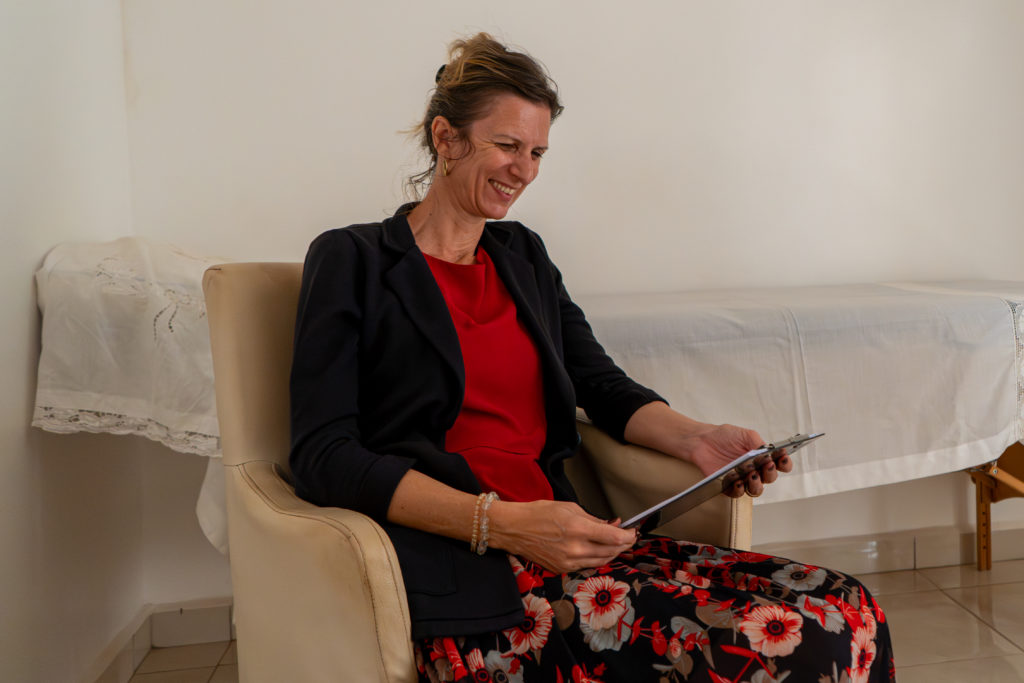
When someone is struggling mentally, the symptoms can vary depending on the person’s situation and the severity of what they are experiencing. Usually, we look at the person’s general functioning. This includes changes in sleeping, eating, socializing, and how they manage their emotions and feelings. These are all important indicators during an assessment and help me understand how a person is coping overall.
Having open conversations about health and self-care, such as sleeping well and eating properly, can really help. It is also important to create a safe, non-judgmental environment where the person feels comfortable opening up about what they are going through. Sometimes, simply having someone listen can make a difference. If they are still resistant, you can gently suggest speaking with a specialist or share the contact information of a professional they can talk to.
The use of phones in general can become a major distraction. Many people use them to detach from their lives and problems, and this can become addictive. When we use our phones, the brain produces dopamine, which makes us feel better temporarily. But once we stop using the phone, dopamine levels drop, making us want to go back to it again.
Children, especially those under 10 years old, should not be exposed to screens excessively. Teenagers should also avoid social media until at least the ages of 14 or 15. Adults, too, need to become more aware of how much time they spend on their phones and how they use them.
There is still a significant gender imbalance in society, and many social norms continue to affect women and girls. One common issue I see is girls keeping their emotions inside and pretending everything is fine because that is what they grew up seeing their mothers do.
However, suppressing emotions is not a sustainable coping strategy. If emotional pain is not addressed, it builds up over time and can eventually lead to breakdowns, illness, or worsening mental health conditions.
We need to spread more knowledge and awareness. Many teachers and community leaders may themselves be struggling without realizing it. If both the helper and the person needing help are overwhelmed, it becomes difficult to support each other effectively.
Institutions such as schools should provide training so staff members have basic tools to support individuals experiencing stress or psychological crises.
Early marriage and teenage pregnancy are major risk factors for mental health problems. These experiences can have lifelong emotional consequences and often contribute to depression, anxiety disorders, and other mental health challenges.
These are deeply traumatic experiences that leave emotional wounds on those who go through them.
At Peace of Mind, we try to train individuals to provide safe spaces and guide people who are experiencing trauma symptoms toward stability and healing. However, when it comes to issues such as sexual abuse or FGM, professional support is extremely important. Healing from trauma is not something a person should have to face alone.
The situation is very challenging. At the moment, we are one of the few organizations providing therapy and counselling services.
Although some institutions offer basic counselling, specialized mental health care is still very limited. Most services available focus mainly on medication through psychiatry. Medication such as sleeping pills or antidepressants may help people function temporarily, but they often do not address the root causes of emotional distress.
One important step is paying attention to lifestyle habits and learning not to get trapped in constant overthinking or negativity. People can also make a conscious effort to express what they are feeling instead of keeping everything inside.
I often recommend journaling. Writing down your thoughts and feelings can feel like talking to a trusted friend who is always available.
At the same time, some situations are very serious and require action. If someone is living in an abusive environment, it is important to recognize that this will affect their mental health, and support systems or protective measures may be necessary.
Globally, mental health is often the last aspect of health to be taken seriously. In The Gambia, there is still a strong belief that severe mental illness is linked to spirit possession. For example, conditions such as schizophrenia are often misunderstood in this way.
This reflects the stigma surrounding mental health. Many people are afraid because they do not fully understand these conditions. Emotional struggles are often handled traditionally, and there is little room for open discussions about feelings or emotional well-being. Society is tough, and people are taught to be strong and simply survive, even when they are suffering internally.
It is important to talk about mental health and give it the attention it deserves. There is no health without mental health. When our mental health suffers, it affects our ability to function, work, care for our loved ones, and contribute positively to our communities.
We cannot expect someone else to take responsibility for our mental health. It is something we must learn about, prioritize, and actively care for.
It is never too late, and Peace of Mind is always available to provide information, knowledge, and support to help individuals and communities better understand and address mental health challenges.
Dr. Silvia Lorenzi, PsychologistThere is still a significant gender imbalance in society, and many social norms continue to affect women and girls. One common issue I see is girls keeping their emotions inside and pretending everything is fine because that is what they grew up seeing their mothers do.