 The Woman BossThe Woman Boss
As a woman from a small island in Spain, Ramadan has always captured my attention. The idea that millions of people abstain from food and drink from early morning until evening each day was, to me, unfamiliar and striking. Prior to my arrival in The Gambia, my understanding of this holy month observed by Muslims was limited, shaped largely by fragments of information encountered on social media and in television programs.
However, witnessing how Ramadan is experienced in daily life revealed a far deeper and more nuanced reality. When I arrived in The Gambia, roughly ten days before the beginning of Ramadan, I was frequently told that the rhythm of life would soon change. Social interactions, working hours, and even traffic patterns would adjust to the demands of the fast. As some explained, the country—often referred to as the “Smiling Coast of Africa”—might appear less outwardly cheerful, as fatigue and hunger accumulated over the weeks.
This prediction proved partly accurate. Many people did grow visibly more tired as the days progressed. However, alongside this fatigue, there emerged a heightened sense of awareness and reflection. Through conversations and personal accounts, Ramadan became more tangible and meaningful to me. It was through listening to people describe their experiences that the true essence of the month began to take shape.
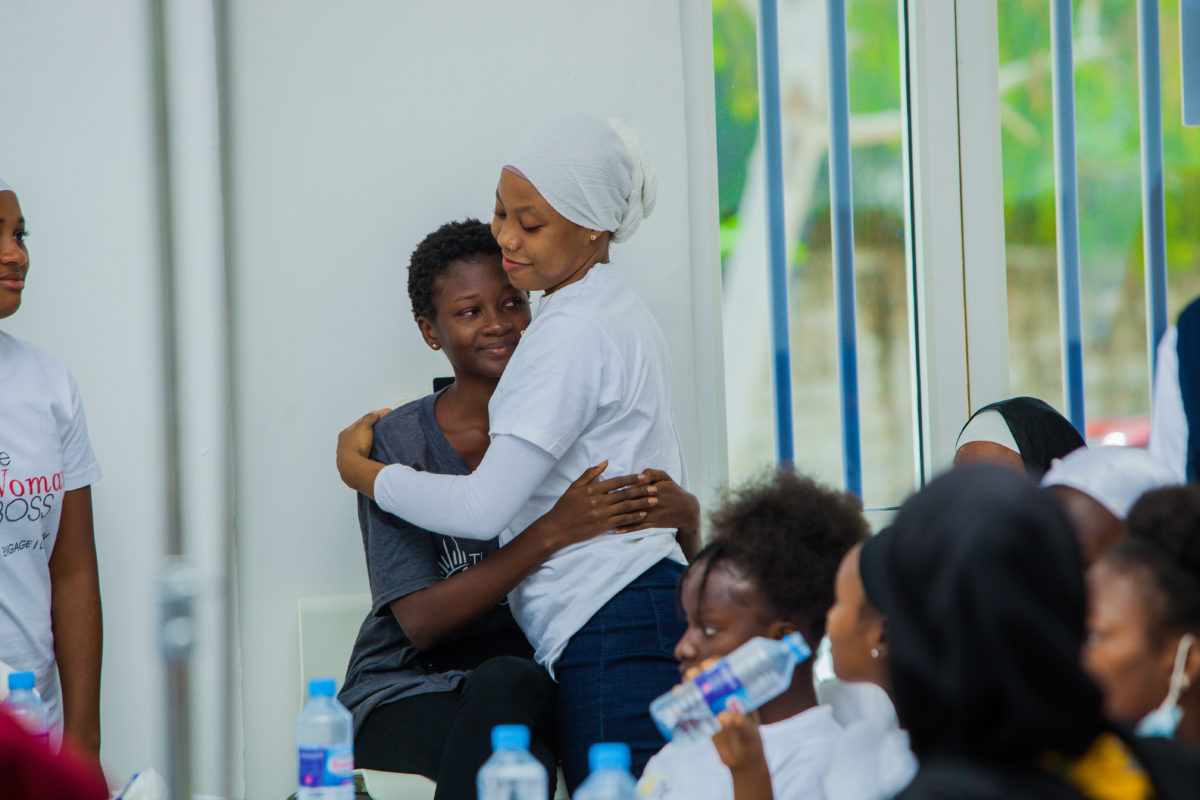
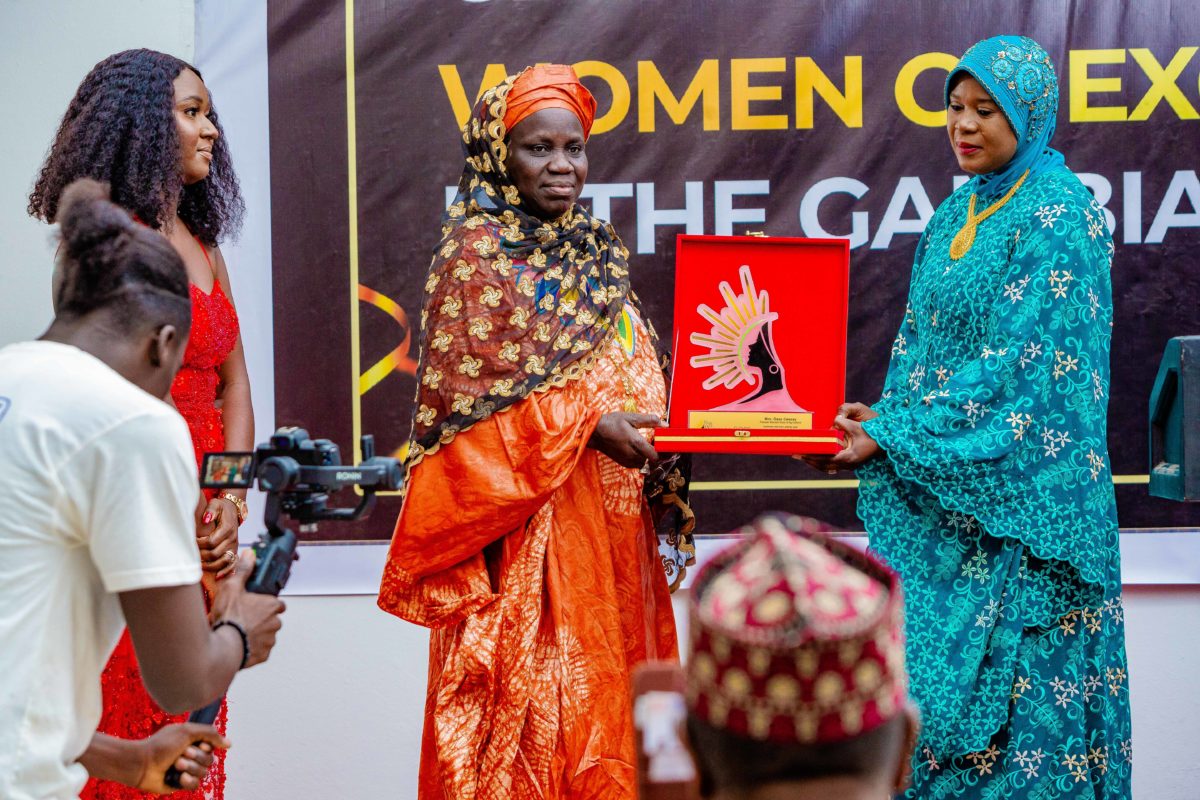
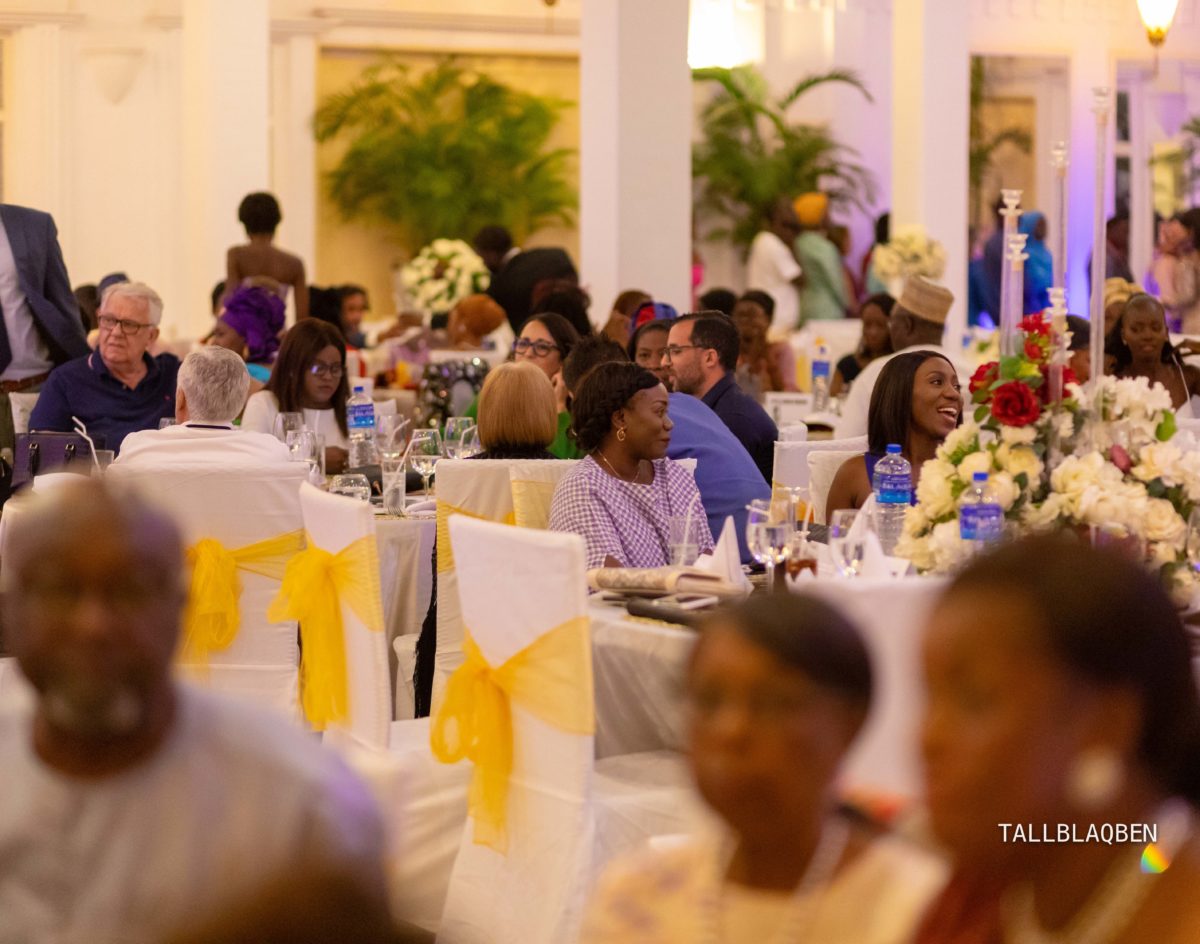
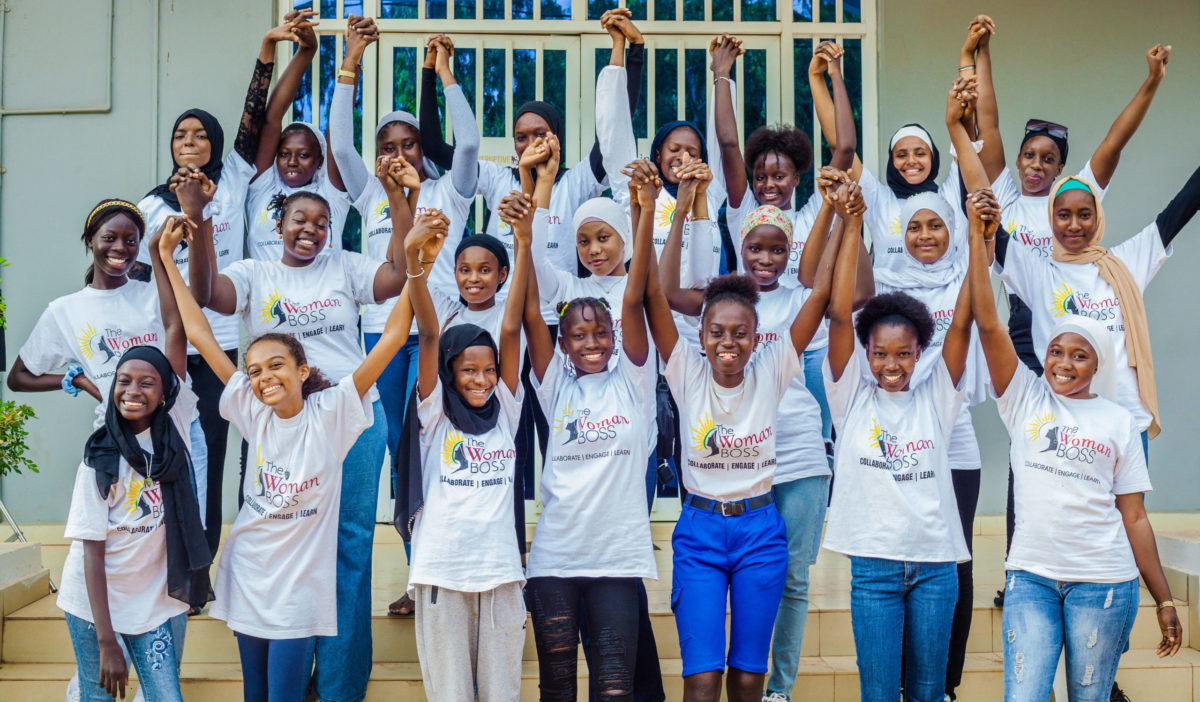
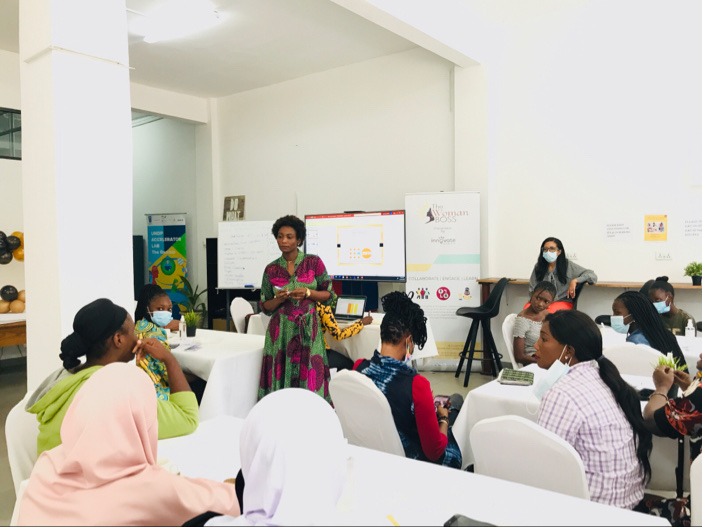
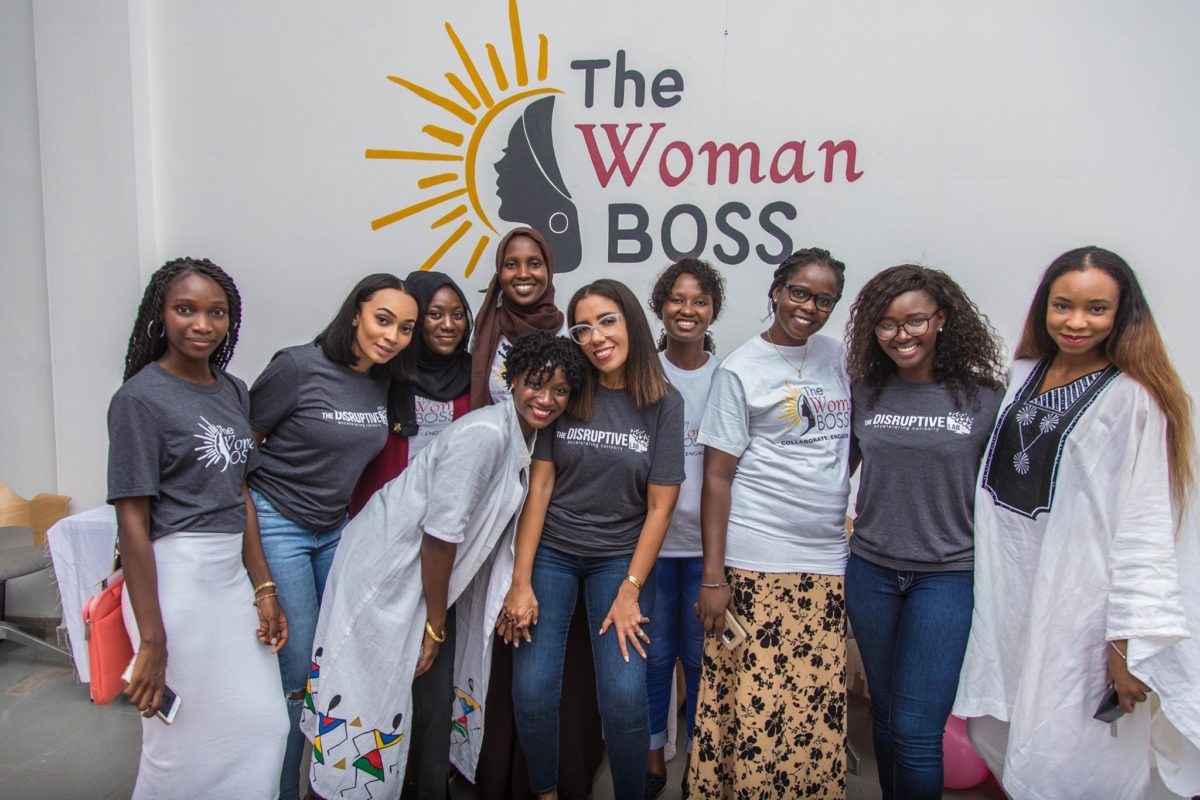
One of the most meaningful aspects of Ramadan I encountered was the role of Muslim women during the Holy Month. At an event organized by The Woman Boss to mark International Women’s Day, Major Rohey Lowe remarked that, “if The Gambia was a table, women would be the legs that support it”. In my opinion, in the context of Ramadan, that observation resonates even more strongly: women appear to be the backbone of the entire experience.
Ramadan is widely understood as a period for reflection, self-discipline, and spiritual renewal—a time to slow down, strengthen one’s character, and nurture a deeper sense of community. It is also, fundamentally, a time of care. Therefore, let’s reflect on the role of woman around us, mothers, workers, sisters or friends. Their efforts, often carried out quietly and consistently, sustain the rhythms of daily life that make the observance of Ramadan possible and meaningful.
During conversations sustained regarding this topic, many female muslims friends had different opinions. Some of them affirmed that their house chores did not change during Ramadan, others did not have any responsibilities and could spend their time resting. The most common answer was that balancing work responsibilities and house chores during Ramadan, was much harder. The challenge comes from not only from heightened fatigue, but also from the additional obligations, such as preparing for iftar, engaging in acts of charity or dedicating time to prayer. “Many women do not have time to pray. The whole purpose of Ramadan is to be more connected to our religion, and we do not have time to do it”, stated one of the women who spoke with me.
It is not only that they cannot experience Ramadan to the fullest due to the demands of cooking, cleaning, and preparation. It is that in many households, these responsibilities fall almost exclusively on them. As a result, while women manage the practical burdens of the fest, male family members are freer to enjoy its social and spiritual aspects, including time spent with family and friends.
Although such divisions may once have appeared more balanced in periods when women were less present in the formal workforce, that reality has long since changed. Today, as women increasingly participate in professional life, the persistence of unequal domestic expectations highlights a disparity that warrants closer attention.
The values that define Ramadan—empathy, generosity, patience—are embodied daily in the work carried out by women. Admiring their contribution should not be limited to words, but should prompt a deeper consideration of how responsibilities are shared and valued. Although Ramadan has come to an end, March remains Women’s Month—an opportunity to continue recognizing and honoring the women around us. It is not only a time to celebrate and support them, but also to reflect on how, through collective effort, the demands of future Ramadan observances might be more equitably shared.